Welcome back, Alice
Your Performance
Question Bank Progress
Activity
Focus Areas
Recent Tests
Flashcards
Four ways we help you learn better
Expert-Reviewed Content
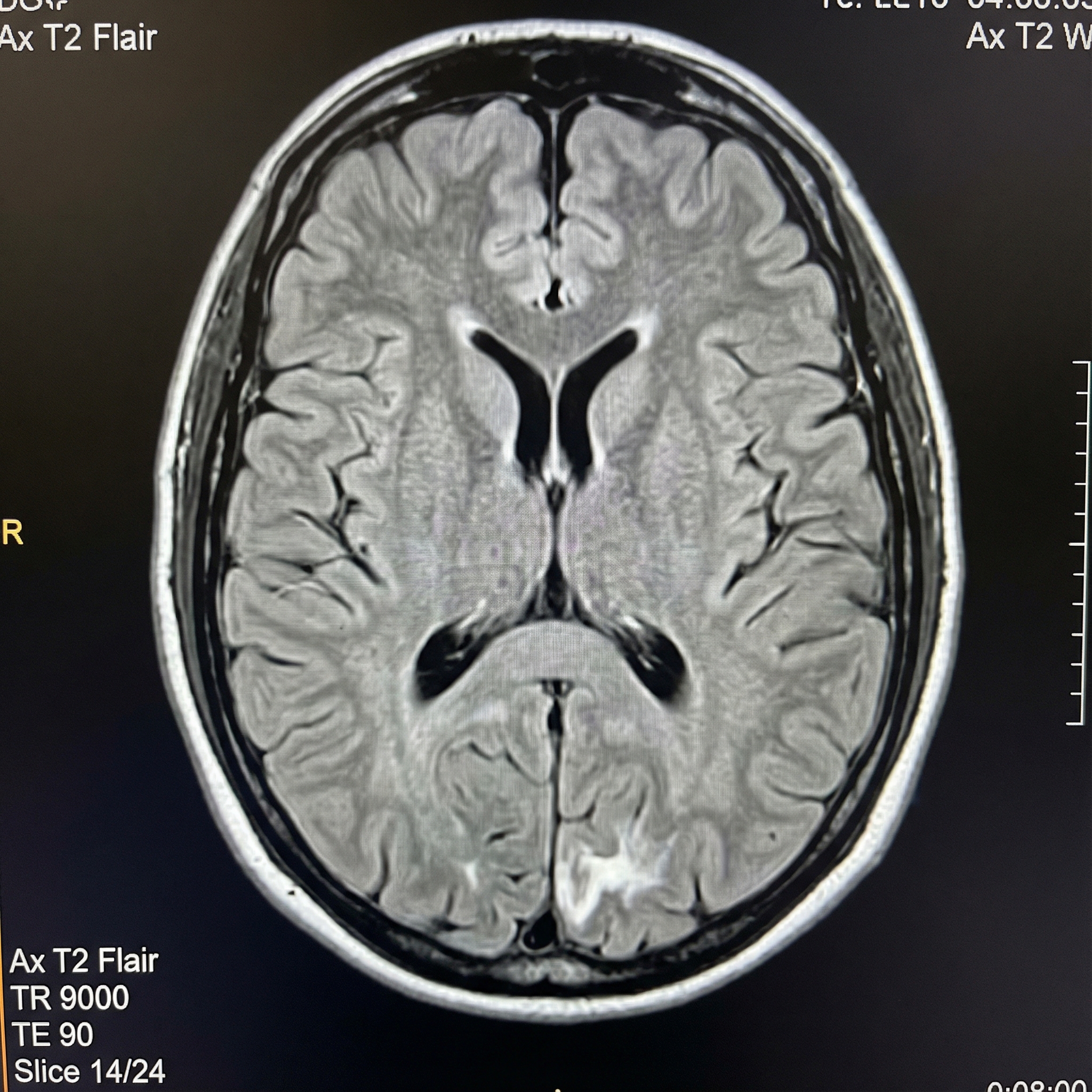
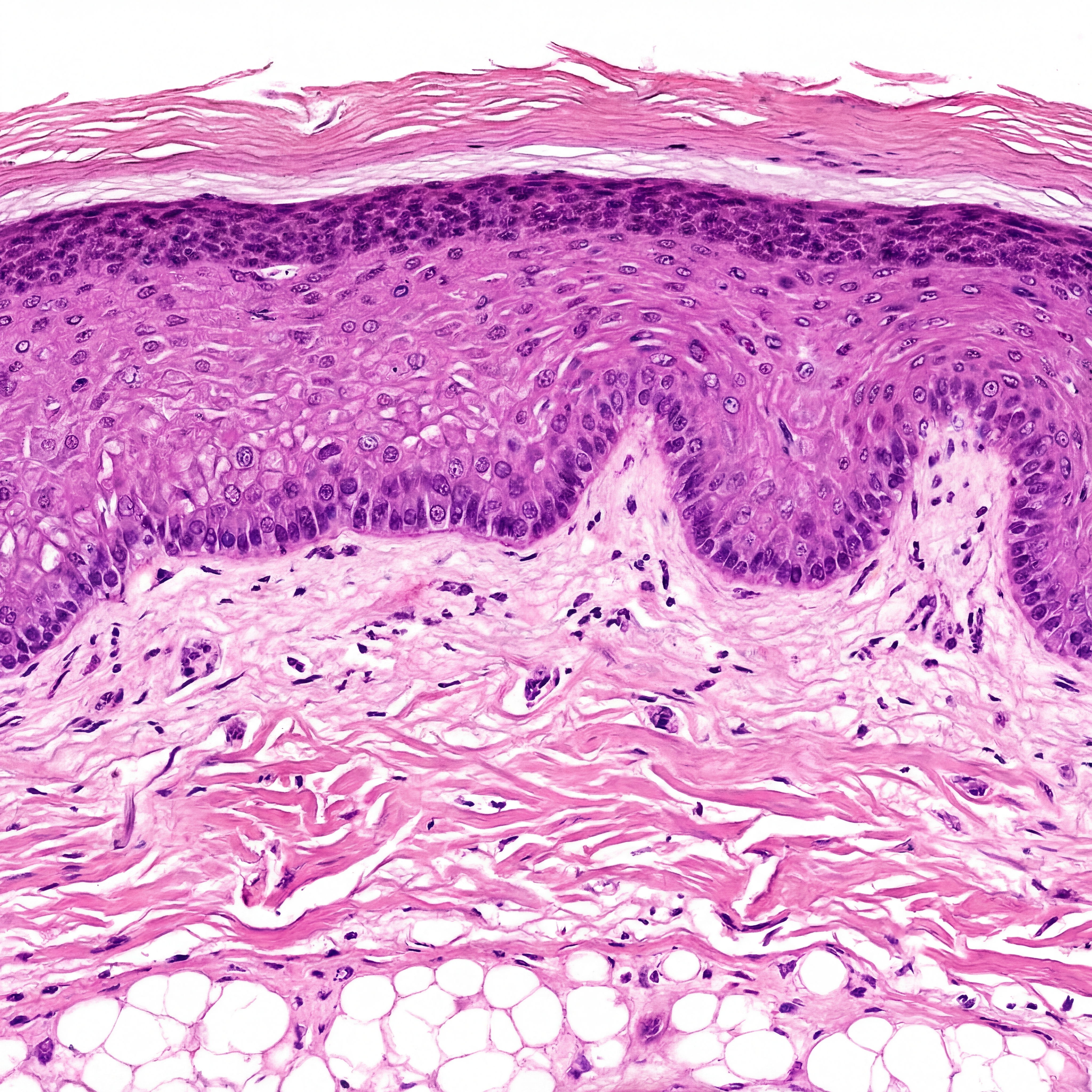
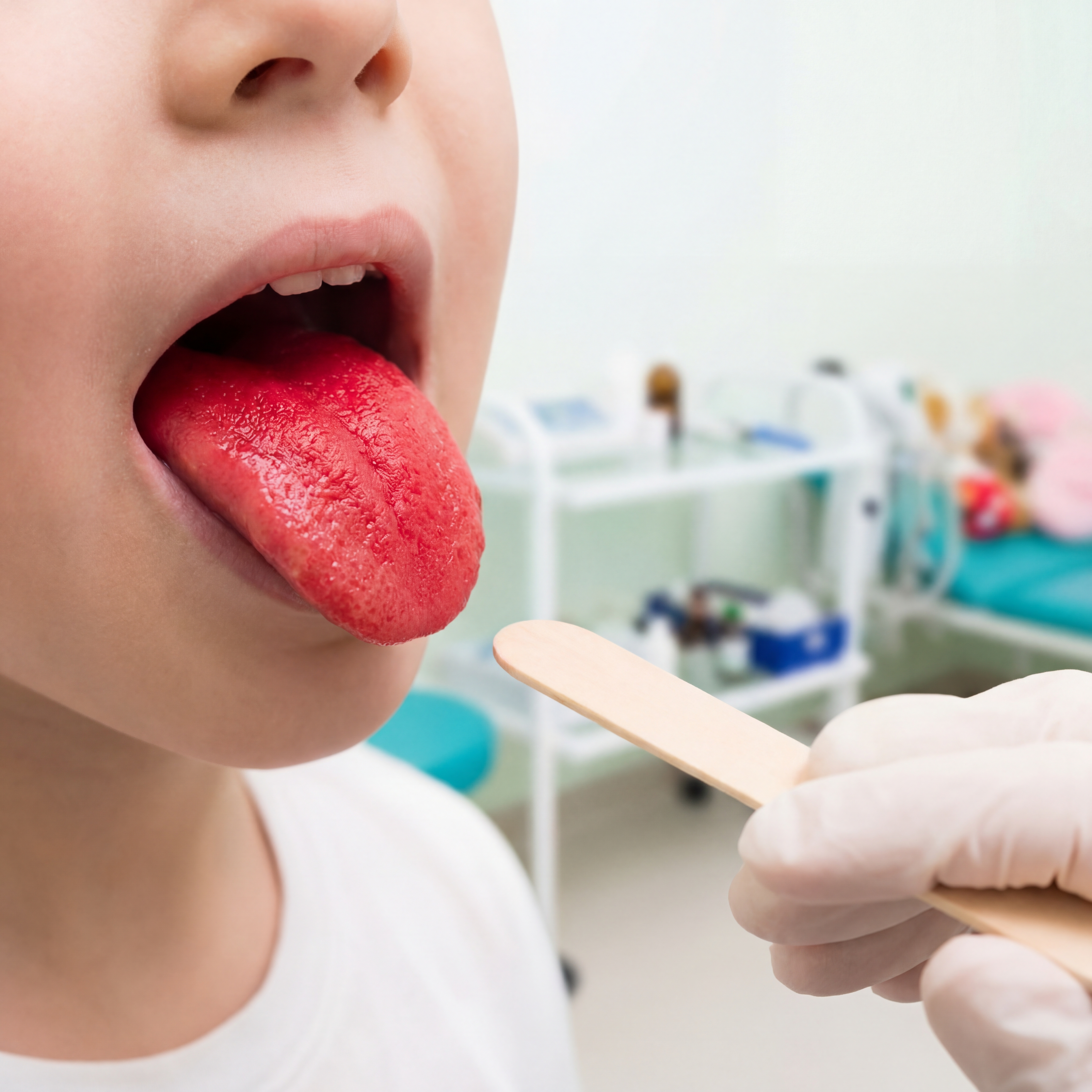
Thousands of board-style questions per specialty, aligned to official exam blueprints — with clinical images, detailed explanations, peer-reviewed by board-certified doctors for accuracy.
Smart Tools
Our AI identifies your weak areas and builds personalized study materials from every mistake you make.
Consult
Ask questions while you study. Get instant answers.
Track Your Mastery
See exactly where you stand across every subspecialty and topic — down to the concept level.
Learning in 3 steps
A simple, effective approach to learning.
A 65-year-old presents with acute eye pain, nausea, and halos around lights. IOP is 54 mmHg with a mid-dilated pupil. What is the next step?
Practice
Answer board-style questions with clinical images and detailed explanations.
Targeted questions for weak areas
Concise topic summaries
Personalized study documents
Learn
Adaptive learning reinforces weak spots with targeted questions and personalized study materials.
Board Exam Progress
Performance Summary
Succeed
Track your progress and ace your in-service and board exams.
Beyond static question banks.
Other Platforms
A 58-year-old patient with type 2 diabetes presents for routine eye examination. Fundoscopic exam reveals dot-blot hemorrhages and hard exudates. Which finding would indicate the need for immediate referral?
Correct! Neovascularization of the disc indicates proliferative diabetic retinopathy, requiring urgent referral.
A 65-year-old presents with acute eye pain and halos. IOP is 54 mmHg. Next step?
Explanation
The correct answer is A. Acute angle-closure glaucoma is an emergency requiring immediate IOP reduction. IV mannitol provides rapid osmotic diuresis while topical timolol reduces aqueous production.
Answer B is incorrect. Laser iridotomy is definitive treatment but not first-line in acute attack—must lower IOP medically first.
Answer C is incorrect. Pilocarpine is ineffective when IOP >40-50 mmHg due to iris sphincter ischemia; use only after IOP lowered.
Answer D is incorrect. Never observe acute angle-closure—this is an ophthalmic emergency requiring immediate intervention.
Key Concept
Acute angle-closure = emergency → IV mannitol + timolol first → pilocarpine after IOP drops → laser PI definitive
Acute Angle-Closure Glaucoma
• Mid-dilated pupil is classic sign
• IOP reduction is first priority
• IV mannitol for rapid osmotic diuresis
• Topical timolol reduces aqueous production
• Pilocarpine after IOP lowered to open angle
• Timing of laser iridotomy vs medical tx
• Medical vs surgical management sequence
• When to use vs avoid pilocarpine
• Fellow eye prophylaxis—40-80% attack in 5 yrs
• Never dilate a shallow anterior chamber
• Laser PI is definitive, not medical therapy
Acute Angle-Closure Glaucoma
Clinical Presentation
- •Severe eye pain, headache, nausea/vomiting
- •Mid-dilated, fixed pupil; corneal edema
- •IOP typically > 40-50 mmHg
Diagnostic Approach
- •Gonioscopy: closed or occludable angles
- •AS-OCT for angle assessment
Management
- •IV mannitol 1-2 g/kg + topical timolol
- •Topical pilocarpine 1-2% after IOP lowered
- •Laser peripheral iridotomy (definitive)
Prognosis
- •Good if treated within 24-48 hours
- •Risk of chronic glaucoma if delayed
Complications
- •Permanent vision loss, optic nerve damage
- •Fellow eye attack (40-80% within 5 years)
Real-time feedback
Instant feedback
Get performance insights and personalized study material the moment you answer.
Less Study Time*
AI-powered focus on your weak areas means less time reviewing what you already know.
Faster Retention*
Retain missed concepts faster than re-doing questions or referencing textbooks.
*Data publication pending. Results based on internal testing.
Frequently Asked Questions
Everything you need to know about Subspecialty.
- Basic tier gives you access to 100 questions in your selected specialty.
- Pro tier offers unlimited questions, flashcards, Smart Review documents, exam simulation & timed modes, and Consult. We focus on providing the most essential features for effective board exam preparation.
Our AI-powered Smart features adapt to your learning:
- Smart Practice — Creates targeted question sessions focused on your weak areas.
- Smart Focus — Bite-sized topic summaries that break down core concepts you're struggling with.
- Smart Review — Comprehensive study documents compiled from your missed questions for deeper review.
- Consult — Your AI assistant that explains and clarifies concepts throughout the platform.
AI powers several parts of the platform:
- Content Creation — We use large language models to help generate questions, explanations, and study content. Every piece is reviewed for clinical accuracy by board-certified physicians before publication.
- Smart Practice — AI analyzes your performance to create targeted question sessions focused on your weak areas.
- Smart Review — Builds personalized study materials from questions you miss.
- Consult — An on-demand AI tutor that explains and clarifies concepts while you study.
- Clinical Images — Any AI-generated images are clearly labeled alongside real clinical photographs.